
If you’re a U.S. citizen considering buying real estate in Vancouver, British Columbia, you’ve likely noticed two things: Vancouver homes are beautiful and expensive — and buying them as a non-Canadian is not as simple as walking into an open house.
Canadian real estate has become the subject of global attention — particularly in Vancouver. Recent changes to foreign buyer rules, combined with provincial and municipal taxes, mean that Americans who want to buy a home here need to understand not just market prices, but also legal eligibility, taxes, and how your immigration or residency status affects your ability to purchase. This guide walks you through exactly what you need to know — in plain English.
🧠 1. The Foreign Buyer Ban (Federal Rule): What It Is and What It Means
In 2023, the federal Prohibition on the Purchase of Residential Property by Non-Canadians Act was introduced and later extended to January 1, 2027. It prohibits most non-Canadians from buying residential property in major urban areas of Canada, including Metro Vancouver and most of the Lower Mainland. You can read more below:
Who is affected?
- Non-Canadians (anyone who is not a Canadian citizen or permanent resident)
- Foreign corporations or foreign-controlled entities
In practice, this means that U.S. citizens without a qualifying status generally cannot buy traditional residential properties (single-family homes, condos, townhouses) in these urban areas right now.
Penalties for violating the ban can include fines of up to $10,000 and even a court-ordered sale of the property.
🛂 2. Who Can Buy Property in Vancouver Despite the Ban? (Exemptions & Eligibility)
While the ban sounds strict, there are specific exemptions that allow certain foreign nationals — including some Americans — to buy property legally:
✅ A. Valid Work Permit Holders
If you hold a valid Canadian work permit with at least 183 days remaining, you may be eligible to purchase a residential property in Metro Vancouver.
- This applies to many long-term work visa holders — including those on TN, L, or other work permits.
- You may be limited to buying only one residential property, depending on the exemption rules.
✅ B. International Students (Under Certain Conditions)
Students enrolled in a Canadian post-secondary institution may qualify after meeting criteria such as:
- Filing Canadian income tax returns for a specified period
- Maximum purchase price limits (e.g., $500,000 cap for some exemptions)
This exemption is more restrictive and is often less relevant for Americans unless you are studying long-term.
✅ C. Refugees or Protected Persons
Individuals recognized under Canada’s Immigration and Refugee Protection Act are exempt.
✅ D. Spouses / Partners of Canadian Citizens or PRs
If you are married to or in a common-law relationship with a Canadian citizen or permanent resident, you can purchase property jointly.
✅ E. Properties Outside Major Urban Areas
Properties outside Census Metropolitan Areas (CMAs) or Census Agglomerations — such as rural or smaller towns outside Vancouver — are not covered by the ban, meaning foreigners can purchase there.
✅ F. Commercial or Non-Residential Properties
Buildings with four or more units, commercial properties, or vacant land zoned for non-residential use are typically not covered by the residential ban.
💰 3. Taxes: What Every U.S. Buyer Must Budget For
Even if you qualify for an exemption and can buy property, British Columbia has significant taxes that can affect the cost of ownership.
🏠 A. Property Transfer Tax (PTT)
All buyers in BC pay a property transfer tax at closing. The rate is graduated:
- 1% on the first $200,000
- 2% on the next $1.8 million
- 3% on amounts over $2 million
- Additional surtaxes apply over $3 million for residential properties.
🔥 B. Foreign Buyer Tax (Additional PTT)
Non-resident buyers (including Americans without PR) are typically subject to an additional 20% tax on the fair market value of the property — on top of the regular PTT.
- Example: On a $1,000,000 home, that’s an extra $200,000 in tax.
- Some exemptions exist, but they are limited.
🏙️ C. Speculation & Vacancy Tax (SVT)
If you own property in Metro Vancouver but don’t live in it or rent it for most of the year, you may owe an annual Speculation & Vacancy Tax — typically 2% of assessed value for foreign owners (rising to 3% in 2026).
🏢 D. City of Vancouver Empty Homes Tax
On top of provincial SVT, the City of Vancouver imposes up to an additional 3% tax on homes left vacant.
These taxes are designed to discourage speculation and keep housing available for residents — but they can add hundreds of thousands of dollars to the cost of ownership for U.S. buyers.
🏦 4. Mortgages & Financing for U.S. Buyers
If you are exempt and eligible to buy, you still need to finance the purchase. Canadian lenders treat non-resident borrowers differently:
- Non-residents often need a higher down payment (sometimes 35% or more).
- Lenders will require proof of income, international credit history, and documentation of funds.
- Work permit holders may benefit from more favorable terms than pure non-residents.
It’s wise to speak to a Canadian mortgage broker familiar with non-resident financing, as U.S. lenders and Canadian lending rules differ.
🧾 5. Tax & Selling Considerations for U.S. Buyers
Owning property in Canada also affects your tax situation:
- On eventual sale, withholding taxes may apply for non-resident sellers (typically up to 25% of the sales price), which can be reduced by applying for a Canadian Certificate of Compliance.
- Rental income is taxable in Canada, and U.S. citizens must report it on U.S. taxes as well.
- Capital gains rules vary, and cross-border tax treaties may offer credits but not exemptions.
Consulting a cross-border tax advisor is highly recommended before buying.
🇨🇦 vs 🇺🇸: Why Some Americans Consider Vancouver
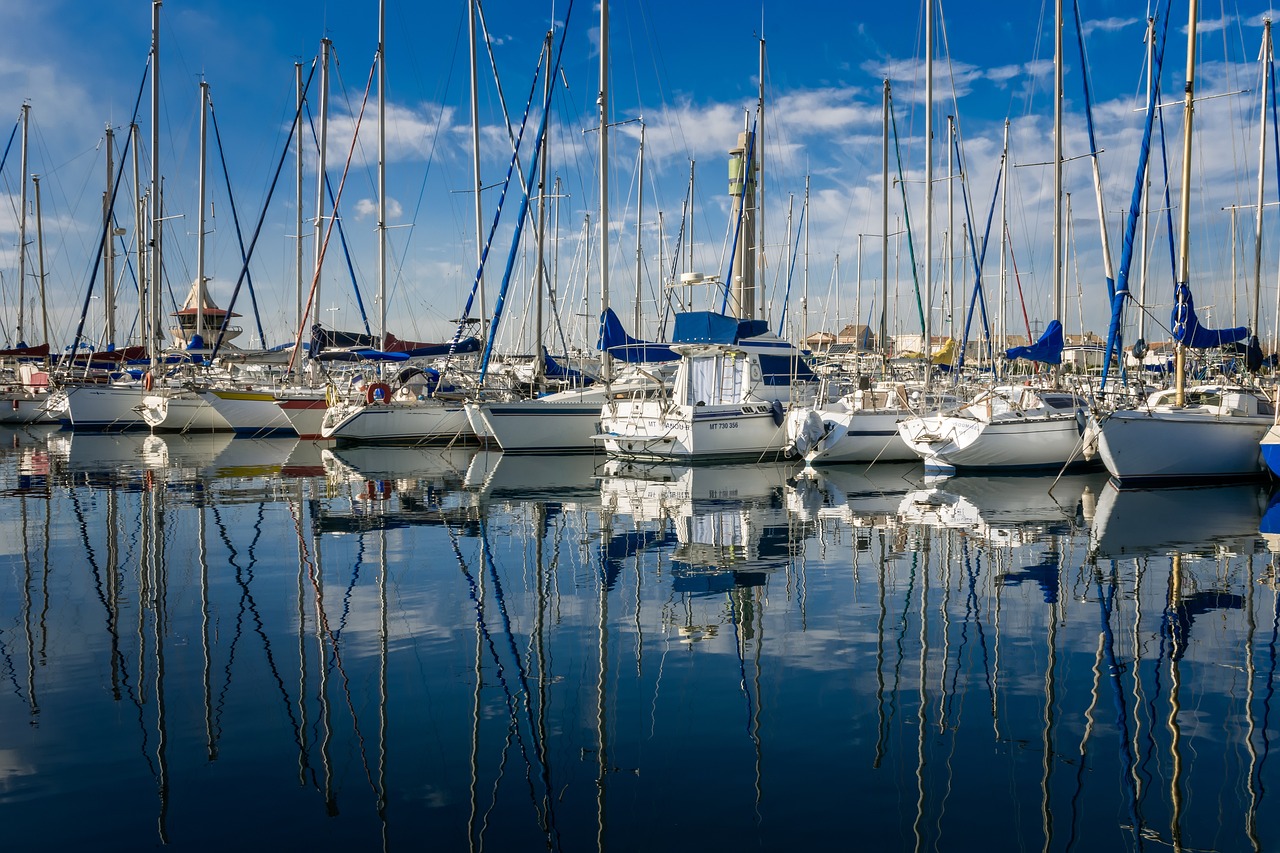
Many Americans have looked north due to political uncertainty and lifestyle desires — particularly during times of political stress, such as around U.S. elections. Vancouver often appears on their radar because of:
- High quality of life (ocean, mountains, culture)
- Stable democracy and safety
- World-class healthcare and education systems
- Proximity to the U.S. West Coast (easy travel)
However, real estate law and taxation are a reminder that Canada — and specifically Vancouver — has intentionally made residential property ownership more restrictive for non-residents to protect housing availability for residents. Buying property here should be part of a broader immigration and financial plan, not just an emotional response to politics.
🧠 6. Summary: What a U.S. Citizen Needs to Know
| Question Asked | Short Answer |
|---|---|
| Can Americans buy a home in Vancouver? | Only if you qualify via exemption (work permit, Canadian spouse/PR, rural property, multi-unit/commercial). |
| How long is the ban in effect? | Until January 1, 2027 (currently). |
| Are there extra taxes? | Yes – 20% Foreign Buyer Tax, PTT, SVT, and municipal vacancy taxes. |
| Do you get residency by buying property? | No — owning a property does not grant immigration status. |
📌 Final Thoughts
Buying residential real estate in Vancouver as a U.S. citizen is far from impossible, but it requires understanding the legal framework, planning for significant taxes, and often involves aligning your purchase with an immigration or temporary resident status. Whether you’re considering this due to lifestyle, investment, or political concerns, approaching the process with accurate information — and professional guidance in both Canada and the U.S. — will save you from surprises down the road.
You might also like:
Navigating Vancouver’s Luxury Real Estate Market Insights From the Past Year
The Most Expensive Homes in Vancouver
Cool Oceanfront Properties Outside of Vancouver
About the Author:

Can U.S. Citizens Buy Property in Vancouver? A Complete Guide to Foreign Buyer Rules in British Columbia, Canada was provided by Regan Pyke, a Vancouver Realtor and a leader in the field of sales, marketing, and real estate investing. Regan can be reached via email at [email protected] or by phone at 778-228-2448.
 EN
EN
 FR
FR