
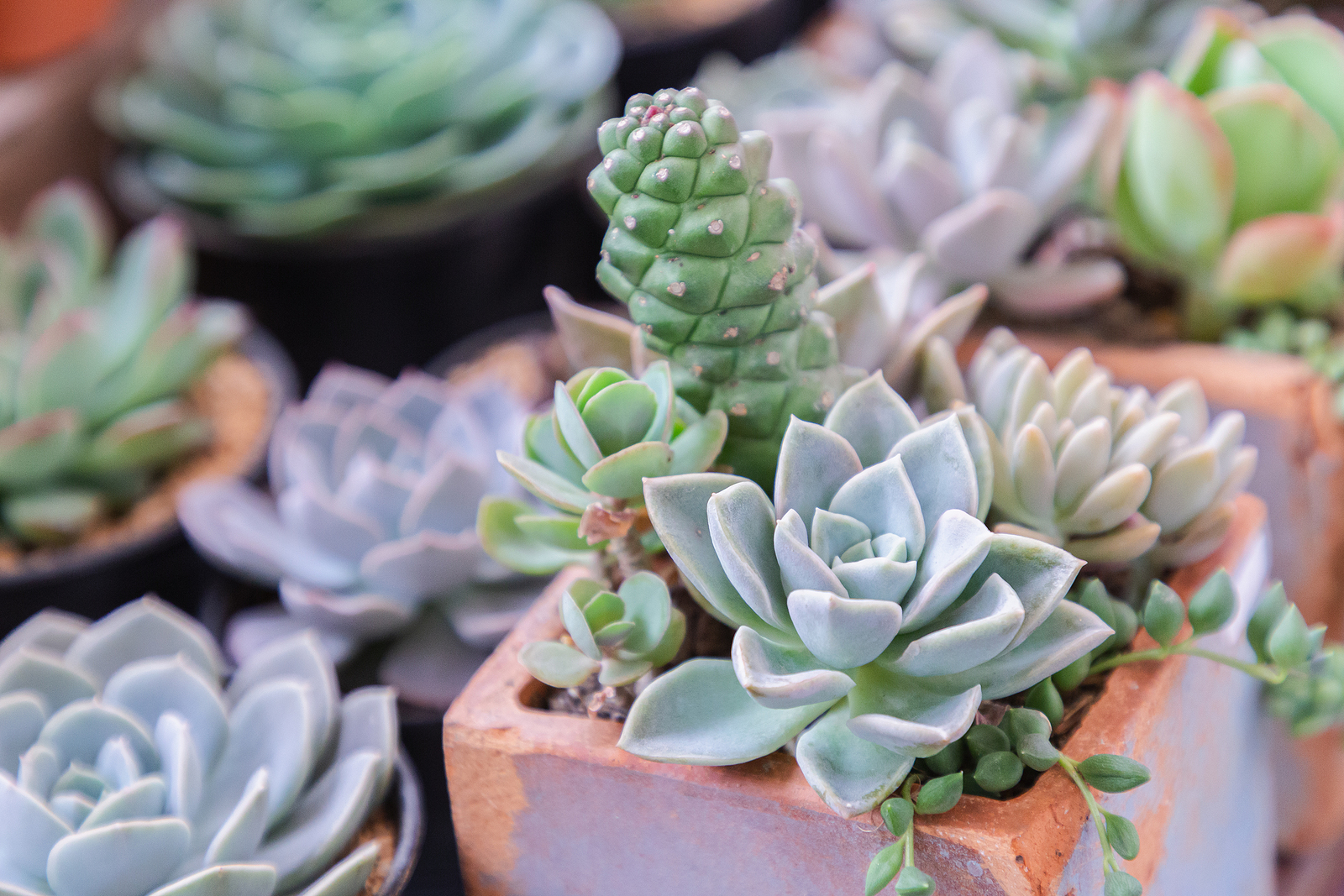
Hot summers and frigid winters are brutal on outdoor plants. We expect that our indoor plants are sheltered from Mother Nature’s extremes so it’s a bit disheartening when that alocasia you’ve fallen in love with gets sick.
There are several common reasons for houseplant problems. Some are caused by improper care, others, such as pests, are not of your doing. Let’s take a look at the causes of some of the most common causes that stress out houseplants.
Improper watering

Those new to growing plants have a tendency to over-nurture them, especially by over-watering. If the plant’s foliage is wilting, check the soil. If it’s dry, water it. If it’s wet, you are either over-watering, or the soil doesn’t drain sufficiently.
Other signs of too much water include:
- Leaves that seem soft
- Inner and lower leaves turning yellow
- Foliage appears scorched (an advanced symptom)
- Leaf drop (another advanced symptom)
Symptoms of the plant not receiving enough water are similar but also include:
- New growth may be smaller than normal
- Wilted foliage
- Folded or misshapen foliage
- Dull, grey-green foliage
- Leaves that appear brittle
There is a fine line between giving a houseplant too much and not enough water and how often to water depends on the environment inside the home.
To determine when to water, stick your finger about an inch deep into the soil. If it is absolutely bone dry, it may be time to water the plant. Take it to the sink and slowly pour water over the soil and keep pouring it until the pot feels heavy and water drains from the bottom of it.
Always allow your houseplants to drain completely before putting the pot back on the bottom tray (if you use one).
When you think it’s finished draining, tilt it at an angle. The chances are good that more water will drip out. This is known as “perched water” and you need to let it drain to keep the roots healthy.
Different plants require different light levels
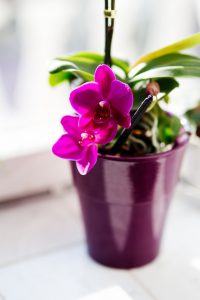
Most houseplants hail from tropical regions. There, they typically thrive in the rain forest’s understory, receiving dappled sunlight through the leaves of the tall trees.
Some houseplants, however, thrive in more light and others in less. The easiest way to learn about your plant’s needs is to place it in an area of the home and keep an eye on it for a week or two.
If it seems to be thriving, leave it there. If not, move it into an area that receives either lower or higher light (but not direct sunlight). Keep moving it and, over time, you’ll find the ideal spot for it.
Symptoms of insufficient light include:
- Leaves that curl upward
- New growth that remains small
- The plant is reaching toward the source of light
- Falling leaves
Symptoms of too much light include:
- Scorched leaves
- Leaves that appear to have been bleached
- Limpness
With fall here, it’s only natural that our indoor plants will become the center of attention. Keep an eye on your houseplants, though, for signs of environmental stress.
About the Author:

The above article on Houseplant Rescue was provided by Regan Pyke, a leader in the field of sales, marketing, and Real Estate Investing. Regan can be reached via email at [email protected] or by phone at 778-228-2448.
Thinking of selling your home? I have a real passion for buying and selling Real Estate, as well as marketing & real estate investing. I’d love to share my expertise!

 EN
EN
 FR
FR